
10 Surprising Things That Could Be Drying Out Your Skin

If your skin’s been feeling dry as a desert lizard… you’re not imagining it.
If your skin feels dry no matter what you apply… you’re not alone.
A lot of people assume dry skin is just about needing a better lotion. But in reality, dryness often comes from a combination of everyday habits, environmental factors, and things your body is processing internally.
Once you understand what’s contributing to it, everything starts to make a lot more sense.
1. Alcohol (And the Types That Dry You Out the Most)
Not all alcohol affects your skin the same way.
Higher-proof spirits like vodka, whiskey, and tequila tend to dehydrate the body more quickly, especially when consumed on their own. Sugary cocktails add another layer by increasing inflammation, and even wine—especially red wine—can trigger dryness or irritation for some people due to histamines.
Even a fun weekend or a few extra drinks can show up on your skin faster than you might expect.
That said, it’s not about avoiding everything—it’s about being aware of what your body responds to.
Lighter options, like lower-sugar drinks or those diluted with water or soda water, may be a little easier on your system. Alternating with water and staying hydrated can also make a noticeable difference in how your skin feels the next day.
👉 Small shifts matter more than perfection. Your skin will usually tell you what it likes—and what it doesn’t.
2. Soda & Sugary Drinks
It might feel like you’re hydrating because you’re drinking something… but not all drinks support your skin the same way.
Sodas, sweetened beverages, and even many fruit juices can be high in sugar or sweeteners that don’t function like real hydration for your body. Over time, these can contribute to inflammation and make it harder for your skin to stay balanced and resilient.
Even drinks that are labeled “no sugar” often rely on artificial sweeteners, which may affect the body in different ways and don’t necessarily support overall skin health.
👉 The takeaway isn’t perfection… it’s awareness.
Your skin responds to what you consistently give it.
3. Not Drinking Enough Water
This one sounds simple, but it matters more than most people think.
When your body is dehydrated, your skin often feels it first. No matter how many products you apply, your skin may still feel tight or dry if your internal hydration is low.
Sometimes the most basic shift makes the biggest difference.
But hydration doesn’t have to mean forcing yourself to drink plain water all day.
There are other options that can help support hydration—without adding sugars or ingredients that can work against your skin.
Coconut water can be a great option because it naturally contains electrolytes that support hydration. Just be sure to check the label and choose one that is pure coconut water, without added sugars, flavors, or unnecessary ingredients.
Water with fresh fruit or herbs (like lemon, cucumber, or mint) can make it more enjoyable without added sugar
Electrolyte powders or drinks can be helpful—just look for ones without added sugars or artificial dyes
Lightly flavored waters can work, but it’s worth checking labels to avoid artificial sweeteners or additives
The goal isn’t perfection—it’s finding something you’ll actually drink consistently.
And sometimes, hydration on the inside needs to be supported on the outside, too.
Using a rich, nourishing body lotion can help your skin stay soft and balanced throughout the day—especially the one I make with ingredients like sea buckthorn and aloe vera that support hydration without feeling heavy or greasy.
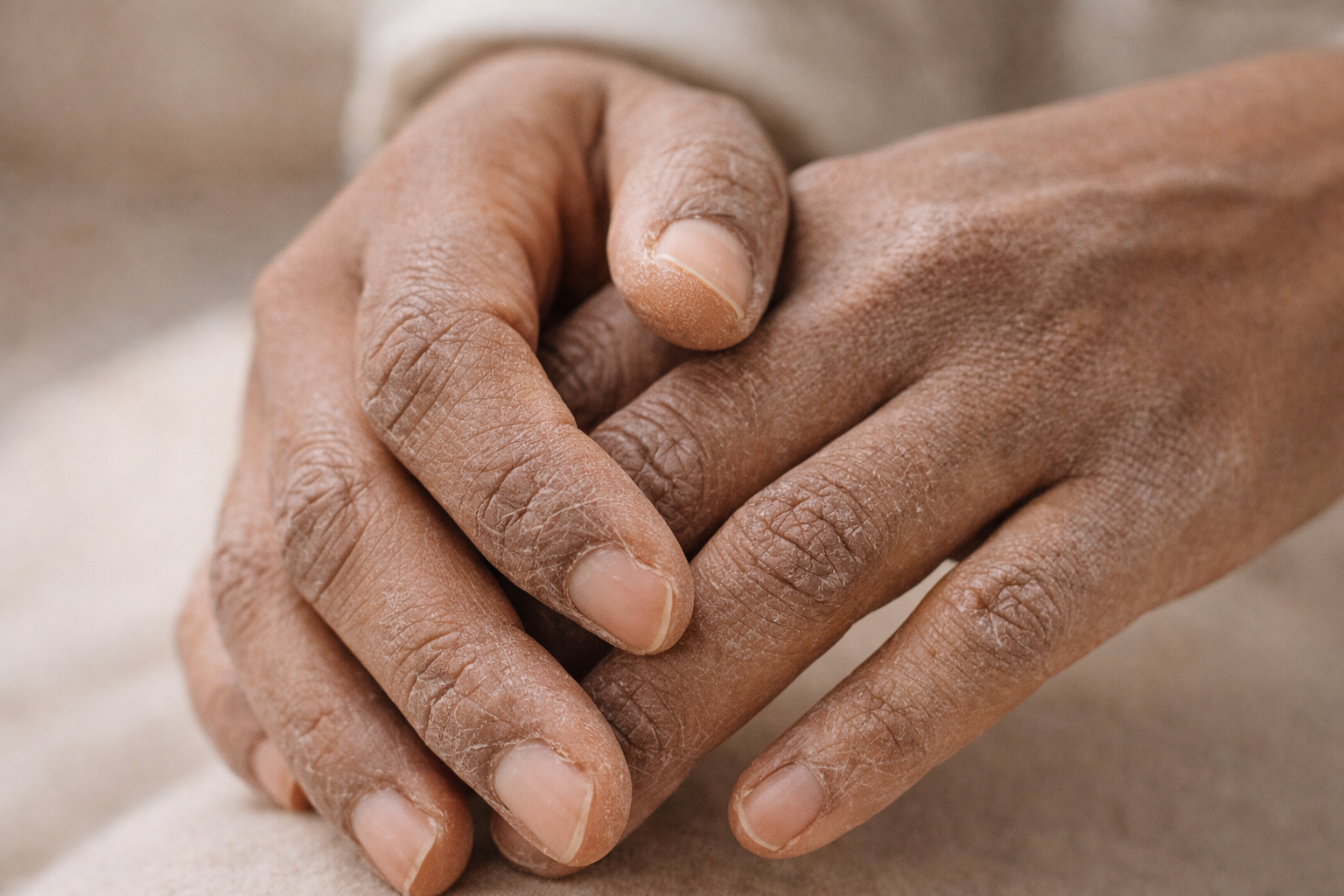
Dry skin doesn’t always look dramatic… sometimes it just feels tight, rough, or off.
If your skin is already feeling this dry, it may need something more targeted than your everyday routine.
A rich, moisturizing lotion is great for overall hydration, but certain areas—like hands, cuticles, elbows, and heels—often need more concentrated support.
That’s where Be Soft Not Cracked comes in. It’s a more condensed, water-free balm designed specifically for those extra-dry areas that need deeper attention and lasting moisture.
4. Medications You Take Every Day (and Even Some Supplements)
Some medications are designed to dry things up in the body… and your skin can feel that too.
Common examples include antihistamines like Benadryl or Claritin, decongestants, and even certain pain relievers like Ibuprofen.
But it’s not just medications—some supplements can have a similar effect.
Higher amounts of things like vitamin A or certain detox-style supplements can influence oil production or hydration levels in the body. Even products designed to “flush” or cleanse can sometimes leave your skin feeling drier than usual.
That doesn’t mean these are bad—it just means your skin may be responding to them.
👉 If your skin suddenly feels drier and nothing else has changed, it may be worth looking at what you’ve added into your routine.
5. Smoking (Tobacco or Cannabis)
Smoking of any kind can impact your skin more than people realize.
It can reduce oxygen flow, weaken your skin’s natural barrier, and contribute to dryness over time. It may also make skin more reactive or prone to irritation.
6. Weather, Environment & Air Quality
Where you live plays a bigger role than you might think.
Warm, sun-exposed areas like California, Las Vegas, and Arizona can constantly pull moisture from your skin through heat, wind, and dry air. At the same time, colder climates create dryness in a completely different way, with indoor heating and low humidity.
But it’s not just temperature—it’s also what’s in the air around you.
Higher-density areas like larger cities can expose your skin to more air pollution, which can affect your skin barrier and make it harder for your skin to hold onto moisture. Even subtle exposure over time can leave skin feeling more dry, dull, or reactive.
Indoor environments matter too. Even things like dust or mold can contribute to skin that feels off or more sensitive than usual.
👉 The good news is, you don’t have to control your entire environment to support your skin.
A few simple shifts can help:
Rinse or cleanse your skin at the end of the day to remove buildup from the environment
Use a humidifier indoors if the air feels dry
Keep your skin consistently supported with moisturizing products, especially in drier climates
Be mindful of prolonged exposure to very dry air, wind, or harsh conditions when possible
Your environment is always going to play a role—but how you support your skin within it can make a noticeable difference.
7. Long Hot Showers
This one surprises people.
Hot water can strip your skin of its natural oils, leaving it more vulnerable to dryness. It feels amazing in the moment… but your skin often pays for it afterward, especially if it’s already prone to feeling dry or tight.
And let’s be honest—sometimes a hot shower is exactly what you need. It relaxes your body, eases tension, and just feels good.
Instead of avoiding it altogether, a few small shifts can help:
Try finishing your shower with slightly cooler water to help your skin retain moisture
Keep showers a little shorter when you can
And most importantly, support your skin immediately afterward
👉 This is one of the best times to give your skin what it needs.
Applying a body oil while your skin is still damp can help seal in moisture and leave your skin feeling soft instead of stripped.
That’s exactly why I designed my Slathering Oil to be used—right out of the shower, on damp skin, then gently patted dry. It’s a simple step that can make a noticeable difference in how your skin feels.
8. Harsh Soaps & Cleansers
Not all cleansers are created equal.
Some soaps and cleansers—especially those made with harsher ingredients—can disrupt your skin barrier over time, leaving your skin feeling tight, dry, or stripped after use.
It’s not about whether something foams or not… it’s about how it’s formulated and how your skin feels afterward.
Choosing gentler, more supportive cleansing options can make a noticeable difference—especially ones that leave your skin feeling clean, but still comfortable.
That’s one of the reasons I love using goat milk soap. It offers a more nourishing way to cleanse, helping support your skin without that stripped feeling many traditional soaps can leave behind.
👉 What your skin feels like after you cleanse matters more than how squeaky clean it feels in the moment.
9. Over-Exfoliating & Using Too Many Products
More isn’t always better when it comes to your skin.
Using too many active ingredients, scrubs, or treatments can weaken your skin barrier, making it harder for your skin to hold onto moisture.
Sometimes simplifying your routine is exactly what your skin needs.
Giving your skin time to rebalance can often do more than adding another product.
10. Blue Light & Screen Exposure
This one is more subtle, but still worth mentioning.
Screen exposure doesn’t dry your skin in the same immediate way as dehydration or weather. However, over time, it may contribute to stress on the skin, which can affect its overall resilience and balance.
It’s not the main cause… but it can be part of the bigger picture.
Supporting Your Skin From Every Angle
Dry skin isn’t always about one thing… it’s usually a combination of small, everyday patterns.
The good news is, once you understand what’s contributing to it, you can start making simple shifts that support your skin instead of working against it.
Starting with how you cleanse can make a bigger difference than most people expect. Using a more supportive option like goat milk soap helps cleanse your skin without leaving it feeling stripped or overly dry.
For everyday hydration, using a rich, deeply nourishing hand and body lotion helps keep your skin balanced and comfortable throughout the day—especially when it’s made with ingredients like sea buckthorn and aloe vera that support lasting moisture and skin barrier health.
For areas that need more focused care—like hands, elbows, cuticles, or heels—a more targeted balm like Be Soft Not Cracked can make a noticeable difference.
And for locking in moisture right after bathing, using an oil like Slathering Oil on damp skin can help seal in hydration and leave your skin feeling soft instead of stripped.
👉 Small, consistent steps really do add up.